

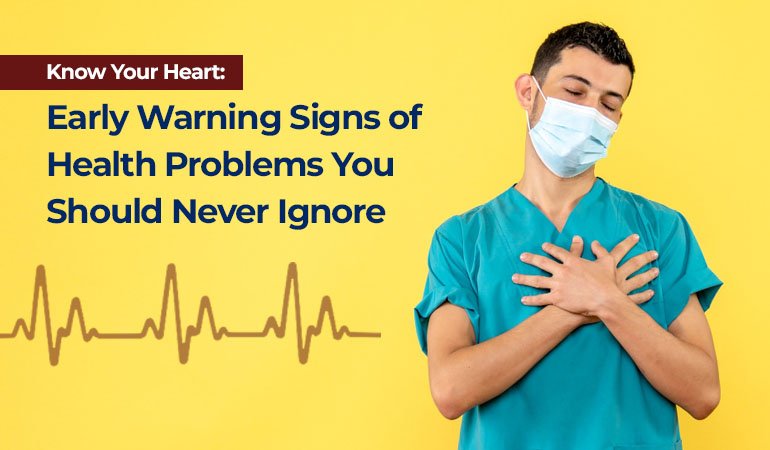
Your heart works tirelessly—beating over 100,000 times a day to keep you alive and active. Yet, many people overlook the subtle signs it gives when something isn’t right. Recognizing early warning signs of heart problems can literally save your life.
Dr. Nitin Agrawal, a Gold Medalist and Chief Interventional Cardiologist at Apex Hospital, Moradabad, emphasizes that timely detection and intervention are the keys to preventing serious cardiac emergencies.
Chest pain is the most classic and alarming symptom of a heart problem. It might feel like pressure, tightness, squeezing, or burning in the chest.
While not all chest pain is cardiac-related, pain that occurs with exertion and eases with rest should always raise suspicion of angina or coronary artery disease.
When to act: If the pain radiates to the jaw, shoulder, or arm, or is accompanied by shortness of breath, call for emergency help immediately.
Difficulty breathing during physical activity or even at rest can indicate heart failure or coronary artery disease.
It happens when the heart cannot pump efficiently, leading to fluid accumulation in the lungs.
Tip: Never ignore unexplained shortness of breath—especially if it worsens when lying down or is associated with fatigue or swelling in the feet.
Feeling that your heart is “racing,” “fluttering,” or skipping beats could indicate arrhythmias—abnormal heart rhythms.
While occasional palpitations due to stress or caffeine are harmless, frequent or persistent irregularities require evaluation.
Dr. Nitin Agrawal often recommends tests like Holter Monitoring or ECG to detect hidden rhythm disturbances early.
Constant tiredness, especially during routine activities, can be a silent symptom of reduced blood supply to the heart.
In women, fatigue is often the first and only symptom of an impending heart attack.
Listen to your body: If everyday tasks suddenly feel exhausting, it’s time to get your heart checked.
Fluid buildup (edema) in the lower limbs or abdomen can be a sign of heart failure.
When the heart struggles to pump effectively, blood backs up in the veins, causing swelling.
Consult Dr. Agrawal if you notice persistent swelling, especially along with shortness of breath or weight gain.
Lightheadedness or sudden blackouts may occur due to irregular heart rhythms, low blood pressure, or valvular heart disease.
It’s a sign that the brain is not getting enough oxygen because of reduced cardiac output.
Seek urgent care if you experience fainting spells, particularly with palpitations or chest pain.
A cough that doesn’t go away, especially when accompanied by pink, frothy sputum, could indicate congestive heart failure.
Fluid accumulation in the lungs can irritate the airways and cause chronic cough or wheezing.
Don’t mistake it for asthma or allergies—get a cardiac evaluation done.
Many heart attack patients, especially women, report nausea, stomach pain, or indigestion-like discomfort before a cardiac event.
These symptoms can mimic acid reflux but may actually stem from poor blood flow to the heart muscle.
If you have risk factors like diabetes, high cholesterol, or hypertension, treat these digestive symptoms seriously.
At Apex Hospital, Moradabad, Dr. Agrawal uses advanced diagnostic tools like:
to detect heart disease early and plan effective, minimally invasive treatments like angioplasty, stenting, pacemaker implantation, and AICD procedures.
Your heart rarely fails without giving signals first. The key is to recognize and respond to those signs early.
Regular heart check-ups, a balanced lifestyle, and timely consultation with an expert cardiologist can make all the difference.
Book your cardiac consultation with Dr. Nitin Agrawal today at Apex Hospital, Moradabad, and take the first step toward a healthier heart.
Location: Apex Hospital, Delhi Road, Moradabad – 244001
Call: +91-9259527841
Dr. Nitin Agrawal is a leading Interventional Cardiologist and Director at Apex Hospital, Moradabad, dedicated to providing advanced, compassionate heart care.
 Mon to Sat - 6:00 PM to 8:00 PM
Mon to Sat - 12:00 PM -03:00 PM
Mon to Sat - 6:00 PM to 8:00 PM
Mon to Sat - 12:00 PM -03:00 PM